Dialogue Science Society
Engaging residents and schools in collaborative research through collective fieldwork, organized meetings and workshops, and environmental science clubs.
Engagement of Residents' Associations (September 2025)
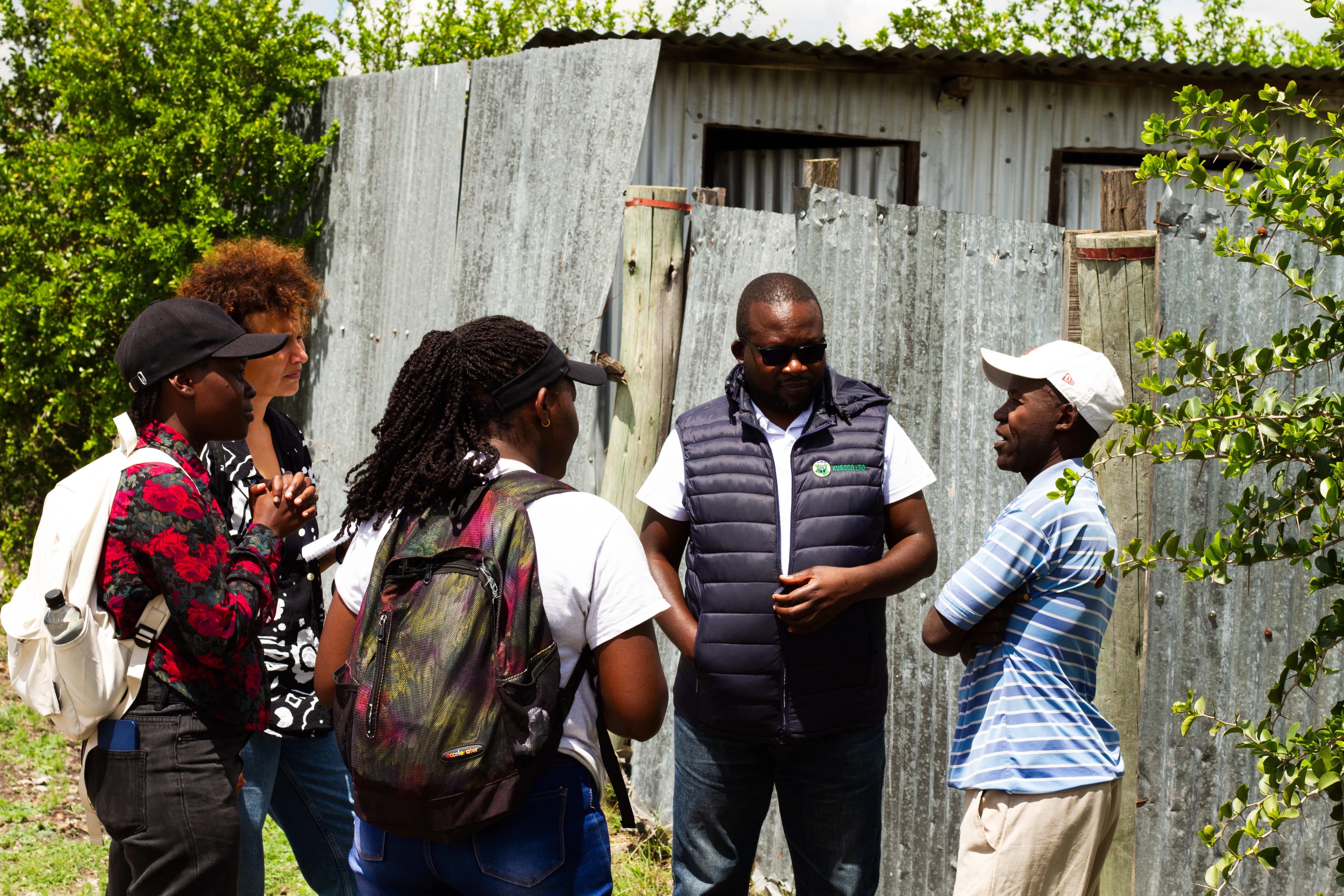
We organized meetings in the neighborhoods where we plan to conduct the surveys, in collaboration with local residents' associations. This dialogue enabled us to refine our research protocols and adjust them in response to the expectations, concerns, and lived experiences of inhabitants.
In each neighborhood, we identified focal persons who act as mediators. They accompany researchers during fieldwork, facilitate introductions and trust-building, and are compensated for their time and involvement.
Prior to launching the surveys, it was also essential to conduct preliminary interviews with a diverse range of residents. These neighborhoods are socially heterogeneous, including both long-term inhabitants native to the area and more recent arrivals, whose perspectives and experiences of urban change may differ significantly.
Collaboration with Schools (Since January 2026)
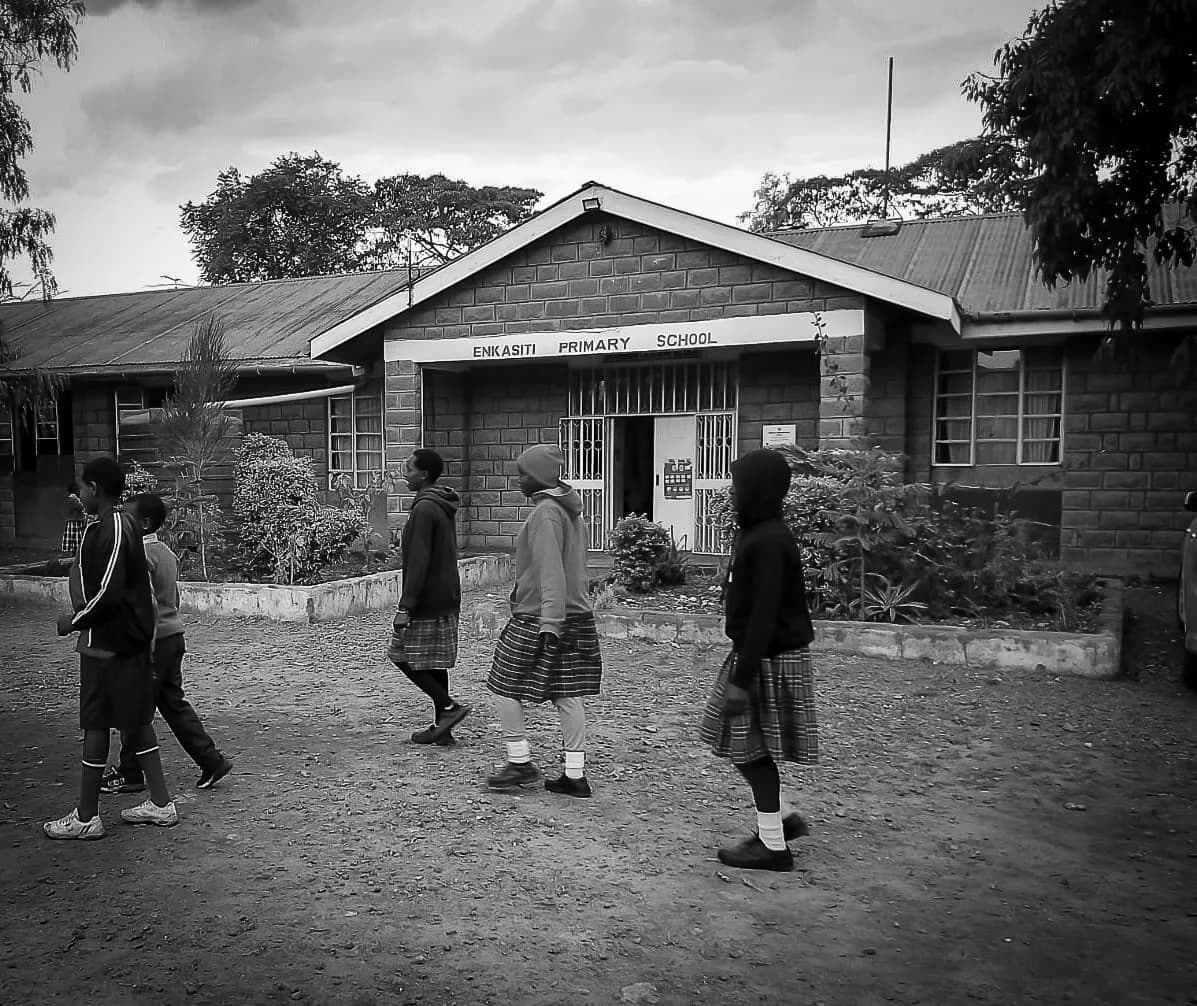
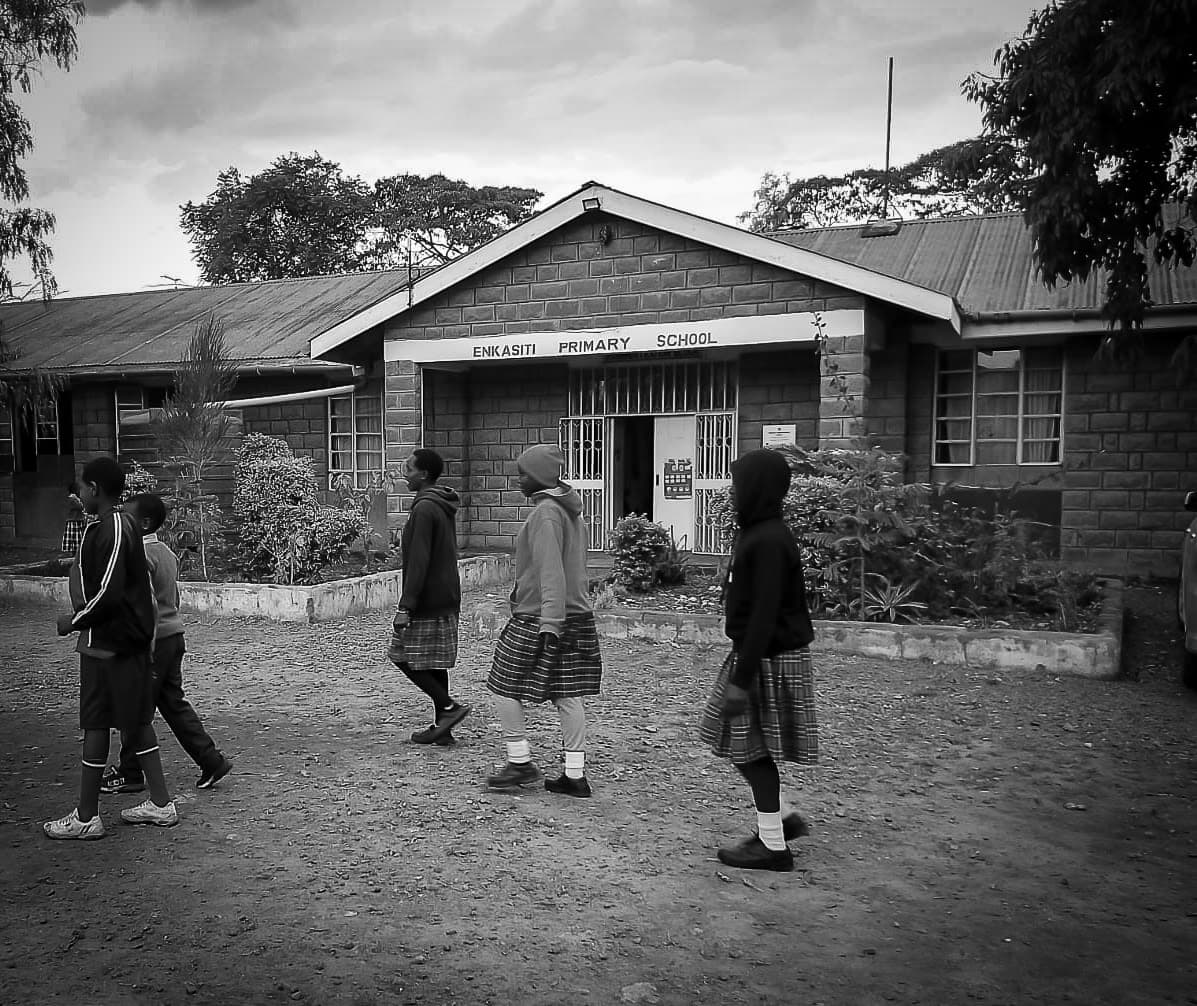
Two collaborations have been established with schools located in the study neighborhoods. These schools will host sensors for the air quality study, with teachers actively involved in their installation and in data collection. In parallel, Science Clubs are organized with students around environmental topics, introducing them to scientific methods and engaging them in hands-on activities.
The aim is to introduce students to field investigations through an interdisciplinary approach and visual methods, including photography, sound recording, and sensory mapping, within the school's surrounding area.